Experts highlight that the ready-to-eat food market in Russia is showing consistent growth, with its size potentially reaching 9 trillion rubles by 2028. The further development of the industry depends not only on the food sector but also on the packaging market – aluminum containers, plastic boxes, and paper packaging ensure the preservation and convenient delivery of meals. How is the Russian packaging industry evolving? Find out in the material from FederalPress.
Market Situation
The market for ready-to-eat food in Russia is demonstrating rapid growth, becoming one of the key drivers of the food industry. Since 2020, when the pandemic accelerated the development of delivery services, the volume of this segment has steadily increased. According to analysts, the demand for ready meals grew by 30–40% between 2022 and 2024, driven by changing consumer habits, the growing popularity of "to-go" culture, and the expansion of the HoReCa (hotels, restaurants, cafes) and B2C (direct sales) segments. FederalPress previously covered the situation in detail. It is forecasted that by 2028, the ready-to-eat food market will reach 9 trillion rubles, almost 1.5 times higher than current figures.
This market growth is fueled by several factors: urbanization, an increase in the number of working people who prefer convenient meal solutions, and the development of digital delivery platforms. However, a shortage of quality packaging remains a challenge, requiring the expansion of production capacities to meet growing demand.
Types of Packaging Used in Russia
Currently, various types of packaging are used in Russia for the ready-to-eat food market:
- Plastic : Lightweight and inexpensive containers suitable for salads, cold appetizers, and desserts. The most widely used materials are polypropylene (PP) and polyethylene terephthalate (PET).
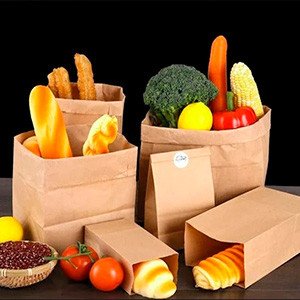
- Paper and Cardboard : Used for fast food, baked goods, and dry dishes (e.g., burgers, fries). Often combined with water-resistant coatings.
- Composite Materials : Packaging made from cardboard with aluminum or plastic foil inside is used for dishes requiring hermetic sealing (e.g., soups or sauces).
- Biodegradable Materials : In recent years, there has been an increase in the use of packaging made from sugarcane, cornstarch, or polylactic acid (PLA), especially in the premium segment.
- Aluminum : Aluminum containers are widely used due to their non-toxicity, hypoallergenic properties, and full recyclability. They are resistant to high temperatures, making them popular for hot dishes. Unlike substitute materials, aluminum containers can be reheated in ovens, microwaves, and even over coals.
Import Substitution in Packaging
Prior to 2022, a significant portion of packaging for ready-to-eat food in Russia was imported, particularly plastic and composite materials. The main suppliers were China, Turkey, and European countries, which provided up to 30–40% of the food packaging market. However, sanctions imposed in 2022 disrupted logistics chains and increased import costs, stimulating the development of domestic production.
Russian companies fully meet internal demand for PET packaging (bottles and others), satisfying up to 95% of the food industry's needs.
Demand for aluminum containers is also partially met through imports, often of poor quality. However, import substitution is progressing in this area as well. In the Moscow region, production of aluminum food containers has begun—a facility in Dmitrov can process up to 1,200 tons of aluminum foil into containers annually. According to Alexei Agafonov, Director of the Foil Division at RUSAL, since 2022, consumption of aluminum food containers in Russia has grown by nearly 40% in both the catering and direct sales sectors. The industry has the potential for further growth, which directly depends on the supply shortage in the market.
"In the last two years, consumption of aluminum food containers in Russia has increased by about 40%. Demand—both in the HoReCa segment and the B2C segment—has good potential for further growth, which is partially constrained by a lack of quality offerings. The presence of such production within RUSAL’s perimeter guarantees the highest quality and optimal cost across the entire production chain—from primary aluminum to foil rolling and container manufacturing," said Agafonov.
Source: Federal Press