


Cosmetic

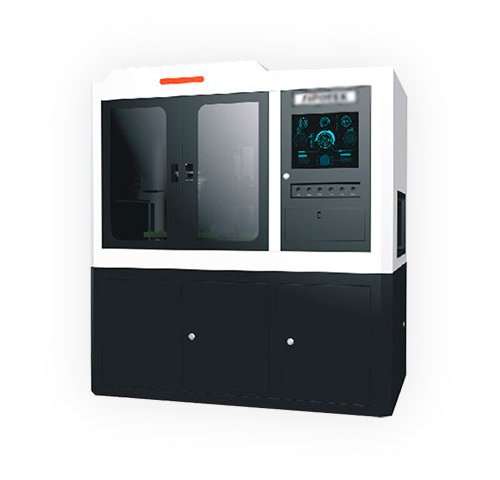
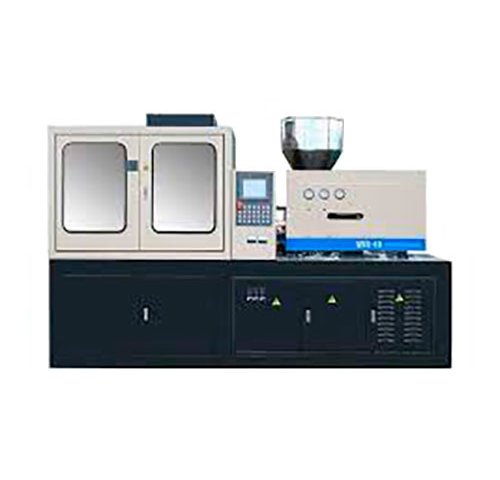

GSS Cosmetics (Moscow), a contract cosmetics manufacturer, has launched production of exclusive-shaped plastic bottles on its own blow-molding line at the Pushkino complex to GMP standards, making unique packaging formats available to Russian brands without long import chains.
SPLAT (SPLAT Global) has launched production of kids' toothpaste in recyclable packaging at its Organic Pharmaceuticals plant in Okulovka, starting the category-wide shift to an eco-friendly tube format.
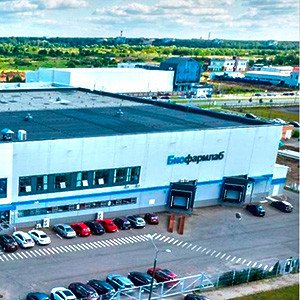
Biofarmlab, a resident of the Dubna SEZ, commissioned the third stage of its cosmetics plant. The new building of 5,600 sq m will allow the company to produce up to 100,000 units per day and 3 million units per month.
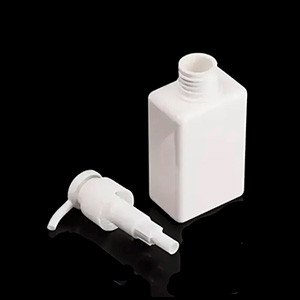
Austrian packaging maker ALPLA expanded its portfolio for personal care and pharma with a new monomaterial foam dispenser featuring a twistlock. The system is made entirely of polypropylene, contains no metal and is fully recyclable.
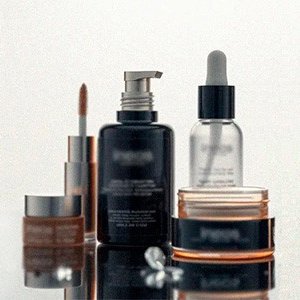
INEOS Olefins & Polymers Europe announced the launch of innovative Recycl-IN rPP1025C hybrid polymer containing 70% recycled material, designed for cosmetics packaging without compromising on quality or performance.
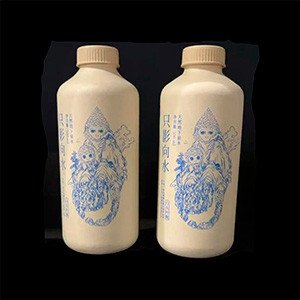
Eco-packaging maker GVPAK (Green Valley Technology) presented at Paris Packaging Week 2026 its Pentawards Bronze-winning 'Zhi Ying Xiang Shui' paper bottle and a new collection of sustainable perfume packaging made from molded fiber.
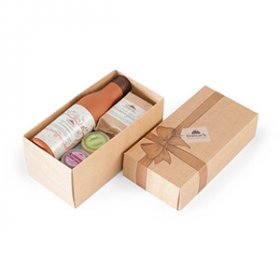
Packaging is an integral part of the cosmetics and household chemicals industry. It not only protects the product from external influences but also performs essential marketing and consumer convenience functions.

Counteraction to the microbial environment is the most important component of a healthy lifestyle for a modern person. Every day we are faced with a mass of pathogenic microorganisms that must be destroyed in a timely manner, primarily from the hands, as the most contaminated parts of the body.
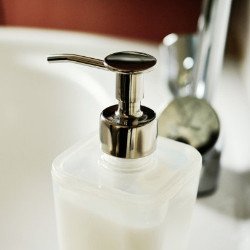
Over the past three years, the volume of production of liquid soap in our country has grown by almost 1.5 times - from 2.5 thousand tons to 3.8 thousand tons. The trend is caused, first of all, by the increased demand for this product: liquid soap is more convenient for consumers and today the traditional solid option has been significantly suppressed. We are increasingly meeting it in everyday life, at work, in service enterprises and public institutions, and the need for it is only growing. In this regard, the production of liquid soap is becoming an increasingly popular segment for investors.