Korean SMCG has introduced packaging glass with 60% recycled raw materials and a GRS certificate for vials and cans of cosmetics.
The Korean manufacturer of glass containers SMCG (Somang Glass), specializing in packaging for the cosmetics industry, has introduced a new line of recycled glass. The key feature of the material is the content of 60% post—consumer recyclable (PCR), which is confirmed by the Global Recycled Standard (GRS) international certificate.
The announcement took place on September 18, 2026. Unlike many environmental statements on the market, Somang specifies a specific proportion of recycled material and provides its documentary confirmation, which gives brands an honest basis for communicating with consumers and regulators.
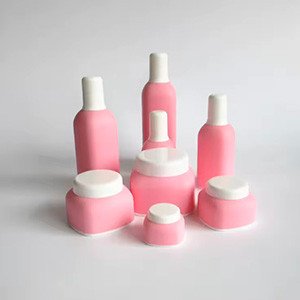
The new glass is designed for a wide range of cosmetic packaging:
- perfume bottles;
- jars and vials for skin care products;
- packaging for decorative cosmetics;
- solutions of various shapes and sizes — from the mass segment to premium packaging.
According to SMCG, glass with 60% recycled raw materials retains all the properties necessary for packaging cosmetics. The manufacturer suggests using the material for both standard solutions and premium products, where the appearance of the container is directly related to the brand's positioning.""For the packaging market, this is an example of the transition from general environmental statements to a material with a specified proportion of recycled materials and a clear purpose — vials and jars for cosmetics," "Registry Garant" experts note.
The PCR component means that glass is returned to production after a real consumer cycle, rather than being formed solely from the internal waste of the enterprise. After collection, sorting and preparation, the cullet is used as a raw material for a new material, which reduces the dependence of container production on primary raw materials.
The GRS certificate confirms the use of the declared share of recycled glass and allows you to trace its path in the production chain — from waste collection to finished packaging. For brands, this provides a documented basis for environmental claims and sets products apart from competitors.
Experts emphasize that the 60% PCR index is important precisely because it refers to post-consumer recycled glass and is accompanied by a certificate. At the same time, the final environmental characteristics of the finished package depend on other components, such as the lid, dispenser, and label.
For the industry, the novelty expands the choice of packaging with a proven share of recyclables and demonstrates the real use of recycled glass in final consumer products. Specific production volumes and the geography of supplies have not yet been disclosed.
Source: The Registry of the Guarantor