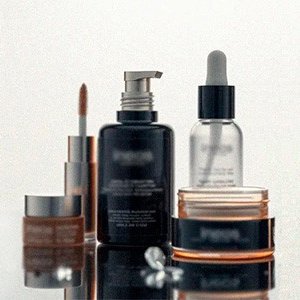
For "Cosmetics and household chemicals," manufacturers and importers will begin marking hair care products and deodorants. For "Groceries," the labeling will apply to spices, seasonings, sauces, and ready-to-eat soups. Anna Zhukova, a legislative expert at Kontur.Markirovka, spoke about the specifics of applying marking codes in these product categories.
The labeling of cosmetics and household chemicals is regulated by Government Decree No. 1681 dated November 30, 2024. According to the decree, the second stage of labeling includes:
- Shampoos
- Hair sprays
- Products for curling or straightening hair
- Hair removal products
- Products used before, during, or after shaving
- Bath preparations
- Individual deodorants and antiperspirants
- Air fresheners and deodorizing products for indoor use
Exemptions from labeling include:
- Products with a volume of up to 5 milliliters or a weight of up to 5 grams inclusive
- Goods sold loose in stores and packaged in the presence of the consumer
- Agarbatti — incense sticks that release fragrance when burned
- Solutions for storing contact lenses or ocular prostheses and eye drops for contact lenses
Unmarked stock introduced into circulation before the start of mandatory labeling can be sold until the expiration date of the goods. Importers have until August 31, 2025, to label products purchased before the labeling launch but imported afterward.
Hair care products and deodorants have specific labeling requirements. For example, labeling codes may not adhere well to aluminum tubes due to their slippery surface. Manufacturers and importers can use laser marking or incorporate the Data Matrix code into the tube’s design.
Among bath products are aromatic bath bombs. These are typically wrapped in heat-shrinkable film and sold either individually or as part of a set. There are conditions under which such bath bombs do not require labeling. Check the consumer information label: if it includes the country of origin, product name and address of the manufacturer, ingredients, net weight, dimensions, shelf life, and usage instructions, then the item must be labeled both individually and if sold as part of a beauty box. The set must bear a marking code on both the bomb itself and the outer packaging. If this information is missing from the label, labeling is not required. If a bath bomb is sold as part of a set, only the set needs to be marked using an aggregation code.
Labeling of groceries is governed by Government Decree No. 1682 dated November 30, 2024. In the second phase, mandatory labeling applies to:
- Vanilla, cinnamon, cloves, nutmeg, mace, cardamom, star anise seeds, fennel seeds, coriander seeds, cumin seeds, juniper berries, ginger, saffron, turmeric, thyme, bay leaves, curry powder, and other spices
- Dried whole or cut vegetables (including sliced, crushed, or powdered): onions, mushrooms, etc.
- Pepper and other spices
- Vinegar, ready-made sauces, sauce mixes, prepared mustard, and mustard powder
- Dry soups, broths, and soup bases
- Dried plants used in perfumery, pharmacy, or as insecticides
Exempt from labeling:
- Dried potatoes
- Sauces and prepared mustard weighing 30 grams or less
- Pepper and spices weighing 1 gram or less
- Ready-made soups and broths weighing 10 grams or less
- loose goods packaged in the presence of the consumer
Sales of unmarked inventory introduced before the labeling start date are allowed until the expiration date of the goods. Importers are given one month to label goods purchased before the labeling deadline but crossing the border after it comes into effect.
One notable feature within this product category is the sale of spices and seasonings in bulk at markets or stores. These goods often come from abroad and are transported in large packaging such as bags or boxes. Neither the transport packaging nor the individual containers filled on-site need to be labeled. However, if the transport packaging is sold directly to end consumers, for example on marketplaces, it must be labeled.
Source: New Retail